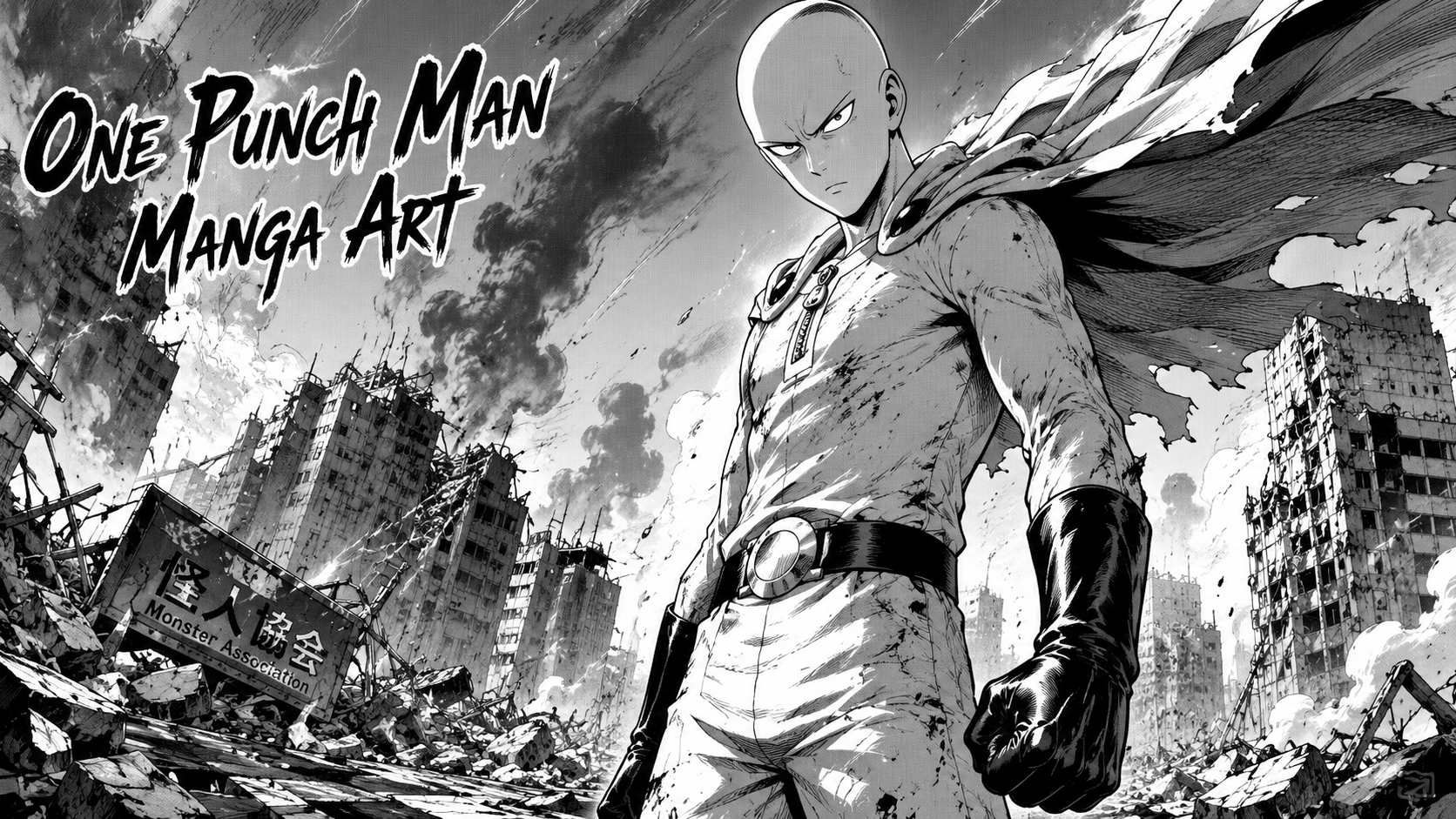
There are not many comics that look as wacky and as awesome as One Punch Man. The narrative is hilarious, the protagonist is broken, and the action is intense. But the one punch man manga art is what longtime readers will honestly say really keeps them coming back. This episode is a one-horse operation for the entire series.
This article delves into why the art style is such a good fit for what the game is. Despite the many artists involved, and the way those drawings evolved over the decades, fans still keep coming back for more. Hang out, get your drink on, get comfortable, and let us ramble on about panels, punches, and pencil lines.
Meet The Creators Behind The Look
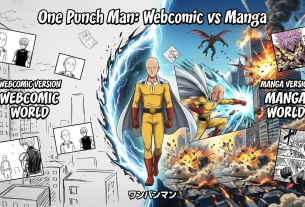
It began as a webcomic and then transformed into a full manga. It was written and illustrated by a creator named ONE and opposite to what followed. His art was so raw — so elemental & childlike; a rough doodle. But the jokes worked, and the tale took off online.
Then artist Yusuke Murata came along to draw the series for print. Retaining ONE’s concepts but giving each page a proper shake-up. One punch man manga art started to look crisp, intricate, and moving. Fans say Murata took a fun concept and turned it into a banger.
Two Styles, One Story
Some readers prefer the original webcomic by ONE for its honest simplicity. Murata’s slick pages are better as far as detail and movement is concerned, some would argue. The same story, but they read differently.
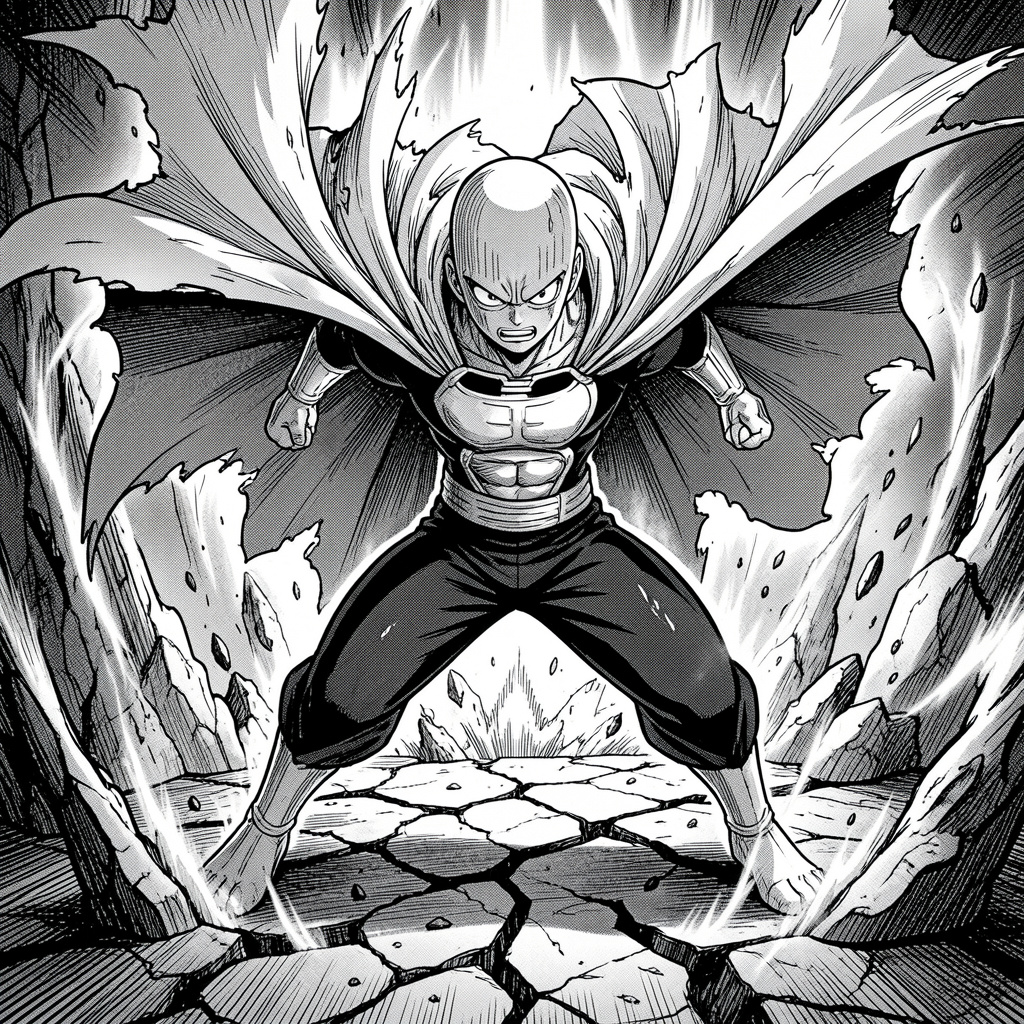
This blend has provided an entertaining option for customers. Want simple, quick humor? Read the webcomic. Want jaw-dropping action scenes? Pick up the printed manga. The core story will remain unchanged either way.
Why The Art Style Is So Special
Good art should be more than aesthetics. It drives the narrative and makes the fights third dimensional. This is something that the one punch man manga art does better than most other action series hitting shelves today.
Murata has a real sense of heft and musculature when it comes to drawing the characters. Every punch looks like solid enough to break a wall, because of this storyline, it does. Though busy with action at times, the linework does remain clean while you are navigating your battle scenes so readers shouldn’t get lost.
Crazy Detail In Every Panel
Observably understating every one of the fight sequences, you will discover subtleties most artists would have just disregarded. Background buildings decay with materials that can be felt. Dust clouds form in layers rather than flat shapes.That kind of care takes time. Murata is infamous for spending an entire day on single panels to nail the motion. That’s part of the reason this one punch man manga art can seem so alive on the page.The Strategy Behind Saitama’s Simple Design When it comes to cryptocurrencies, simplicity is key. But Saitama’s simple design belies quite a clever choice.
Our main hero, Saitama intentionally looks boring. A bald head, a stable face, a plain dress. This seems a bit lazy at first blush.But it’s actually clever design. His design is straightforward and simple which makes him pop against detailed villains and complex backgrounds. The dichotomy works with his character too, being tired of fighting and craving normalcy.
How The Art Changed Over Time
For longrunning series, art styles almost never remain static. That does not make One Punch Man any different. The existing redrawn chapters looked pretty good, especially in the earlier parts, but this goes even further in what it does in later chapters.
Across the series, Murata kept adding detail, weight, and motion. The battle scenes grew longer and more cinematic. Now some fights go for dozens of pages, like you are basically watching a movie instead of reading a comic.
Early Chapters Versus Later Arcs
Chapter one versus a recent arc — the difference is stark. Even if early art is feeling clean, it is a little simplistic. Later art appears more energetic, filled with shadow work and minute background details that are rewarding on a second read.
This growth maintains the interest of long-term readers. While One Punch Man is a series of such stature that it would not be outlandish to think it is regressing in quality, a great many fans say the one punch man manga art seems to get better with every arc. Typically, shows or comics plateau after a while, but this one never really did.
Why it’s Compared to Anime Frame by Frame by Fans
While the One Punch Man anime adaptation is notoriously well-animated and smooth with its high-budget animation. Though a lot of fans echo the sentiment the manga hits harder in some sequences. That speaks volumes about the strength of the source material.
A still frame from the anime can sometimes have more detail than a static drawing. Every line Here all readers can stop, zoom in, and examine closely. This gives the One Punch man manga art make it just as powerful as the show, in some cases even more.
Slow-Mo Action Scenes
In Murata, the fast moments are deliberately slowed down using page layout tricks. A single punch is stretched long across vertical panels. And the hardest hits are frozen for maximum impact, often covering a full page or two in what are called splash pages.
The pacing trick allows readers to absorb the big moments rather than race by them. That’s partly why battle chapters feel so rewarding. You complete a fight scene and sit there for momentarily like what the hell.
The Importance Of Shading And Line work
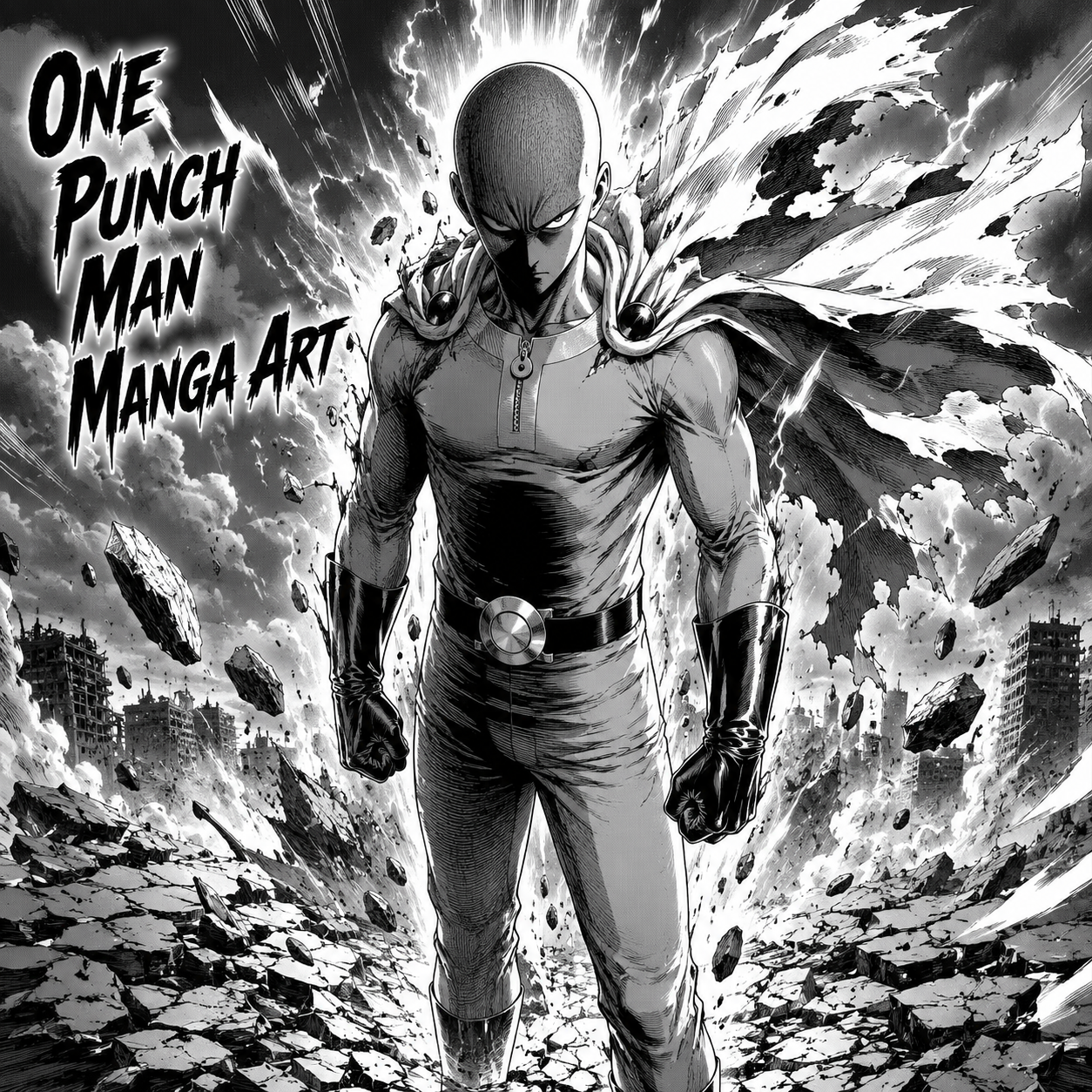
Shading is just a little thing but a pretty great thing. Murata makes good use of heavy black ink in effective fashion to increase depth and drama. Highlights and shadows work hand in hand to give your images a three-dimensional feel.
Another big, but often overlooked thing- clean linework. And even if there is plenty of debris and smoke and monsters at play, your eye generally knows where to go. The balance between detail and clarity is one reason why one punch man manga art alight with distinction from other action manga.
Memorable Monsters With Great Designs
The villains and monsters in this series tend to appear scary and creative. Some incorporate human characteristics with insect or animal characteristics. Some appear to be nightmares torn from the pages of a horror film.
This isn’t the easiest job in the world, designing memorable monsters. Murata imbues each silhouette with such individual character that readers can identify them even in a distant shot. It makes the fights feel really heavy, because you genuinely worry about what happens to the hero next.
Tips To Read The Manga In The Correct Manner
New readers sometimes rush through panels just to follow the plot. That’s a mistake with this series. Slowing down helps you catch small jokes and hidden details in the background art.Try reading each page twice. First, read it fast for the story. Then go back and study the art itself, especially during big fight scenes.
Where To Start If You’re New
If you want the best display of the series’ art, start from chapter one of the official manga not the webcomic. The story is best understood in chronological order, and, as you progress, the visuals only improve.
And even if you did watch the anime already, there’s still a fresh take in comic form. Subsequent chapters contain material not yet animated in the show. Signifies new battles, new enemies, and even more good one punch man manga artwork.
This Art Style Sets Trends For Other Comics
Murata’s work is cited as an influence by many newer manga and webcomic artists. This combination of detail and clarity raised the bar for action sequences. Even a lot of the smaller webcomic creators study his pacing tricks to learn to make their fight scenes better.
This impact demonstrates that this series is bigger than just trending. In fact, it informed how certain artists write action stories even now. The kind of impact that balsillie talks about doesn actually happen at random.
A Style Based On Labour, Not On Shortcuts
Remember that true art is hard work. Murata has grumbled to the press about excessive hours and unrealistically narrow deadlines. This dedication was something fans respected, since it is obvious in every meticulous panel.
And this is part of why readers have faith in the quality of each new chapter. It guarantees readers that they’re getting something that is actual art, not rushed work. That trust makes the fanbase stick around even in the gaps between the release of chapters that can be extended for months.
Conclusion About The Art That Turned A Hero Into An Icon
One Punch Man works because the story and the art are totally complementary. Because the action looks real; the jokes land harder. Because the humor roots it all in some kind of reality, it makes the fights hit deeper. The series without strong visuals would be so much less of a joy.
The supposed single punch man manga art quickly became one of, if not the most well respected action series around by taking an idea from a standard webcomic, and making it second nature. Whether background detail or huge splash-page punch, every choice serves the story. Whether you’re a newcomer or a longtime fan, there’s always something new to see in the pages.This is a great time to get into the manga, if you haven’t already. Notice the linework, the shading and notice the timing. You will probably leave knowing just how much sweat goes into good comic art.
FAQs
Who makes the One Punch Man manga?
Yusuke Murata draws the official manga version that readers see today on print. This story is outlined in full by creator ONE with rough storyboards, and he redraws the story from there. One reason the series gained international acclaim is the detailed style he developed.
The manga art is different from the webcomic art. Indeed, the styles are very different in nature. While webcomic from ONE depicts a very simple, poorly shaded drawing, Murata’s manga version is extremely polished and meticulously detailed. Both are telling the same story but the visual outcome of each is very different.
Why do fans say manga looks better than the anime?
The studio allows readers to slow down and scrutinize every minute detail. This uses an anime trick I haven’t really seen page layout exploit in big fight scenes. So it makes some moments even more potent on the page.
Where to start this series if you are a new reader?
Best art player to start out with is chapter one of the official manga if new readers follow him. It is well-paced, and the visuals get even better as you go through chapters. It makes for an smoother and more gratifying experience overall.
Is the anime just the tip of the iceberg ?
Yes, the manga has outpaced currently airing anime episodes. This includes recent battles, new villains, and story arcs that were not yet animated. Additional resources are available to fans who complete the anime series.
What do you feel about this post?

Like

Love

Happy

Haha

Sad