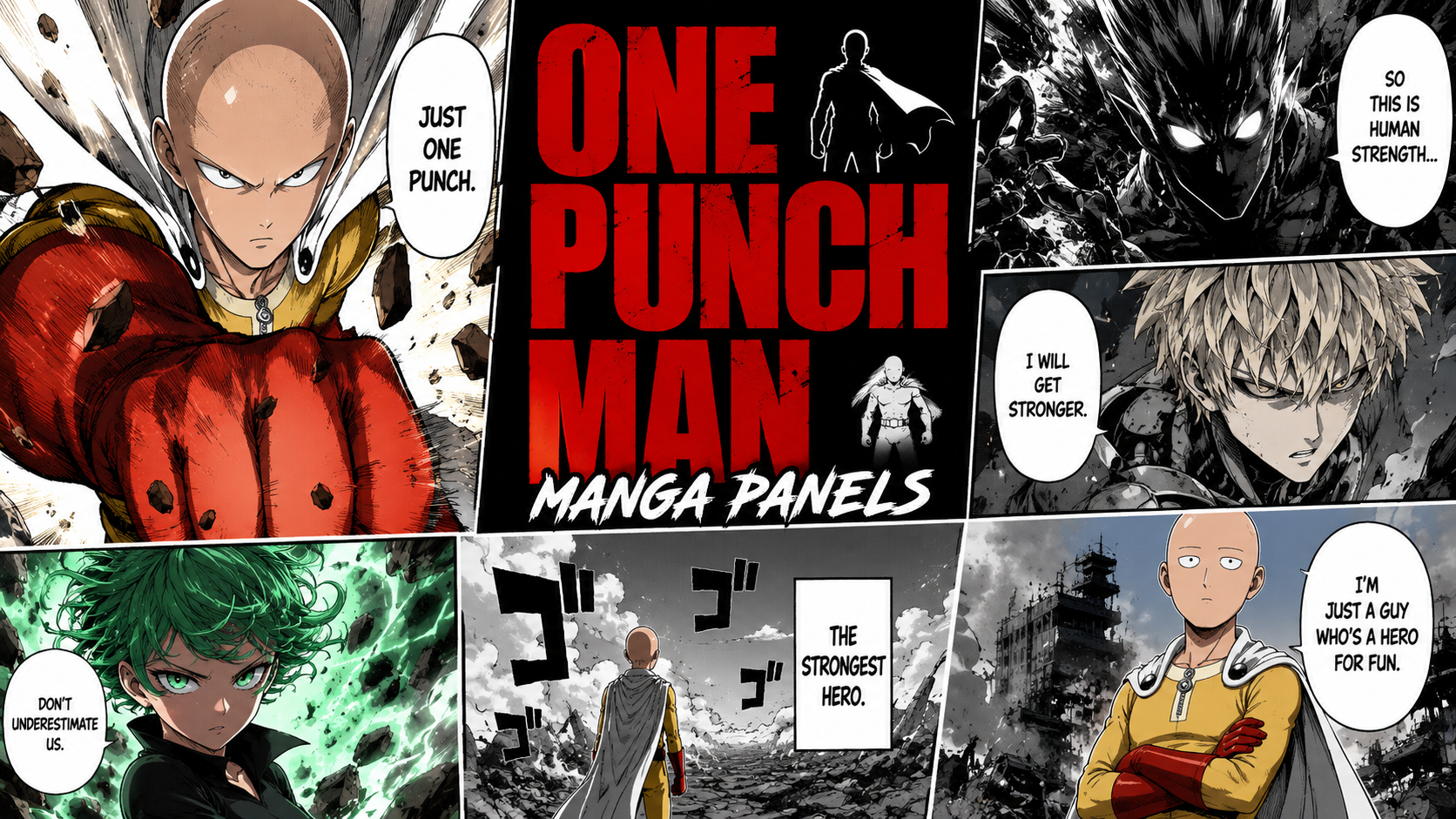
Fans love a good fight scene. Yet the moment you start scrubbing through the still frames, rather than quickly watching them flash past on screen, something changes. One Punch Man manga panels allow readers to see each punch, every crack in the ground, and all the the details that a fast anime scene might miss. This essay explains why the panels are so significant to fans, why the art style tells its own story, and why certain panes stick in memory so long after they are seen. So, grab a snack and let us get started.
What Makes This Manga’s Art So Special
Indeed, Yusuke Murata worked on the original webcomic to the point where, presumably, readers were shocked by the detail. Everything, every building, every muscle, every drop of sweat is sketched from memory. Which is precisely the reason why one punch man manga panels gets shared so regularly across the internet. The art doesn’t just look pretty. It carries weight. When Saitama throws a punch, the panel layout makes you feel the impact before you even read the next page.
The Difference Between Webcomic and Redrawn Version
ONE, the original creator, drew a simpler version of the story years ago. It had charm, but the art was rough around the edges. Murata took that same story and gave it a full glow up, turning basic sketches into some of the sharpest artwork in modern manga. Readers often compare both versions side by side just to see the jump in quality. That comparison alone has turned into its own kind of fan hobby.
Why Detail Matters in Action Scenes
A fight scene needs more than speed lines to feel exciting. Good spacing, sharp angles, and clear body movement all play a part. One punch man manga panels use wide shots and tight close ups together, so the pacing never feels flat. Think about a boxing match on TV. The camera doesn’t just show punches. It shows the crowd, the sweat, the tension before the swing. Manga panels do the same job using still images instead of video.
How Panel Layout Builds Tension
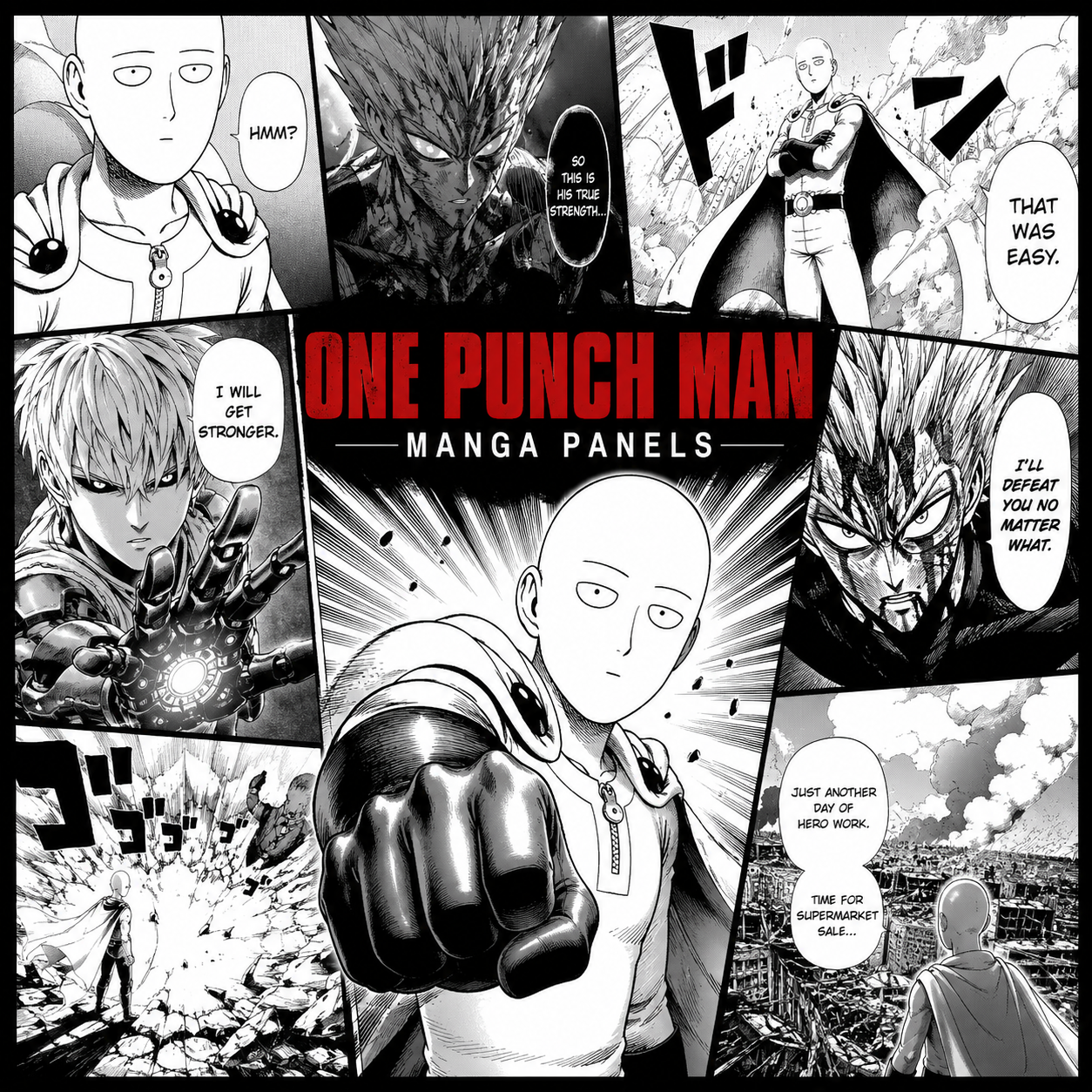
Manga artists control your eyes. They decide where you look first, second, and third on a page. That control is part of what makes reading feel like an experience instead of just flipping through pictures. A single big panel can show a monster towering over a city. A row of small panels can speed up a fight, almost like a flip book. Both choices change how a reader feels in that exact moment.
Big Panels for Big Moments
When something huge happens, artists give it room to breathe. A full page spread of Saitama’s punch landing on a villain hits harder than a tiny box ever could. That choice isn’t random. It’s a deliberate move to make the reader pause and feel the scale of what just happened. Many fans point to specific one punch man manga panels from the Boros fight as proof of this. The space itself becomes part of the storytelling.
Small Panels for Fast Action
On the flip side, quick cuts between small panels speed things up. This works great for scenes where a punch or kick needs to feel instant. Readers barely have time to process one frame before their eyes jump to the next. This technique mirrors how action movies use quick editing cuts during a fight. The manga version just uses paper instead of film.
Table: Key Elements That Make These Panels Stand Out
| Element | What It Does | Example Effect |
|---|---|---|
| Line work | Adds texture and realism | Makes skin, cloth, and rubble feel touchable |
| Panel size | Controls pacing | Big panels slow readers down, small ones speed them up |
| Shading | Sets mood and depth | Dark shading builds tension before a fight |
| Background detail | Grounds the scene in reality | Broken buildings show the true force of a hit |
| Character expression | Shows emotion without words | A blank stare from Saitama becomes a running joke |
| White space | Gives the eye a break | Helps readers breathe between intense moments |
This table shows why fans study one punch man manga panels so closely. Each choice the artist makes serves a purpose, even if it looks simple at first glance.
The Role of Saitama’s Expressions
Saitama is famous for winning every fight without breaking a sweat. His flat, bored expression during huge battles has become one of the most recognized running jokes in modern manga. That look alone has turned into a meme used across social media. Artists use his blank face on purpose. It contrasts with the chaos around him, which makes the comedy land even harder.
Why Bored Faces Became So Iconic
A hero who looks terrified during a fight builds tension. A hero who looks bored during the same fight builds humor. Murata leaned into that contrast, and readers loved it instantly. This is one reason one punch man manga panels featuring Saitama’s face get reposted constantly online. People screenshot them just to caption a joke or a reaction.
Genos and the Serious Contrast
Genos, on the other hand, always looks intense. His serious expressions balance out Saitama’s chill attitude. That contrast between the two characters gives every scene they share extra flavor. Readers often notice how their body language differs even in quiet panels. One character leans forward with tension, while the other just stands there like nothing is happening.
Fan Favorite Fight Scenes Worth Studying
Some fights get talked about more than others. The Boros arc, the Garou fights, and the Sea King battle all stand out for different reasons. Each one uses panel work in a unique way to tell its story.
The Boros Arc
This fight is often called one of the best in the whole series. The pacing, the scale, and the emotional buildup all come together here. Many one punch man manga panels from this arc get used in fan edits, wallpapers, and tribute art. Boros himself gets a dramatic buildup before the final punch. That slow build makes the payoff feel earned instead of random.
The Garou Fights
Garou’s battles focus more on technique and struggle. Unlike Saitama, Garou actually gets hurt, sweats, and shows pain. That difference makes his fight scenes visually distinct from Saitama’s effortless wins. Readers connect with Garou because his panels show real struggle. It reminds people that not every hero wins without a scratch.
Why Fans Collect and Share These Panels Online
Social media turned manga panels into shareable content on their own. A single striking image can spread across Twitter, Reddit, and Instagram without much context needed. That’s part of why one punch man manga panels show up so often in fan communities. People use them as profile pictures, memes, or just conversation starters. It’s a simple way for fans to show love for the series without writing a full review.
The Meme Culture Around Saitama
Saitama’s calm reactions turned into templates for jokes about literally anything. People slap his bored face onto unrelated situations just for comedic effect. This meme culture keeps the manga relevant even years after certain chapters were first released. It also brings in new readers. Someone sees a funny meme, gets curious, and ends up picking up the manga to learn the full story.
Fan Art Inspired by Original Panels
Many artists recreate famous scenes in their own style. Some keep it close to the original, while others add a twist. Either way, it shows how much impact these panels have had on the wider art community. This kind of tribute keeps the fandom active between new chapter releases. It also gives new fans a reason to look up the source material.
How Art Style Has Changed Over the Years
Murata’s style has grown even sharper since the early chapters. Compare an early volume to a recent one, and the difference is obvious. Backgrounds got more detailed, and action sequences became more dynamic. This growth keeps longtime readers engaged. It’s rare for a series to keep improving visually after years of chapters, but this one manages to do exactly that.
Early Chapters vs Recent Releases
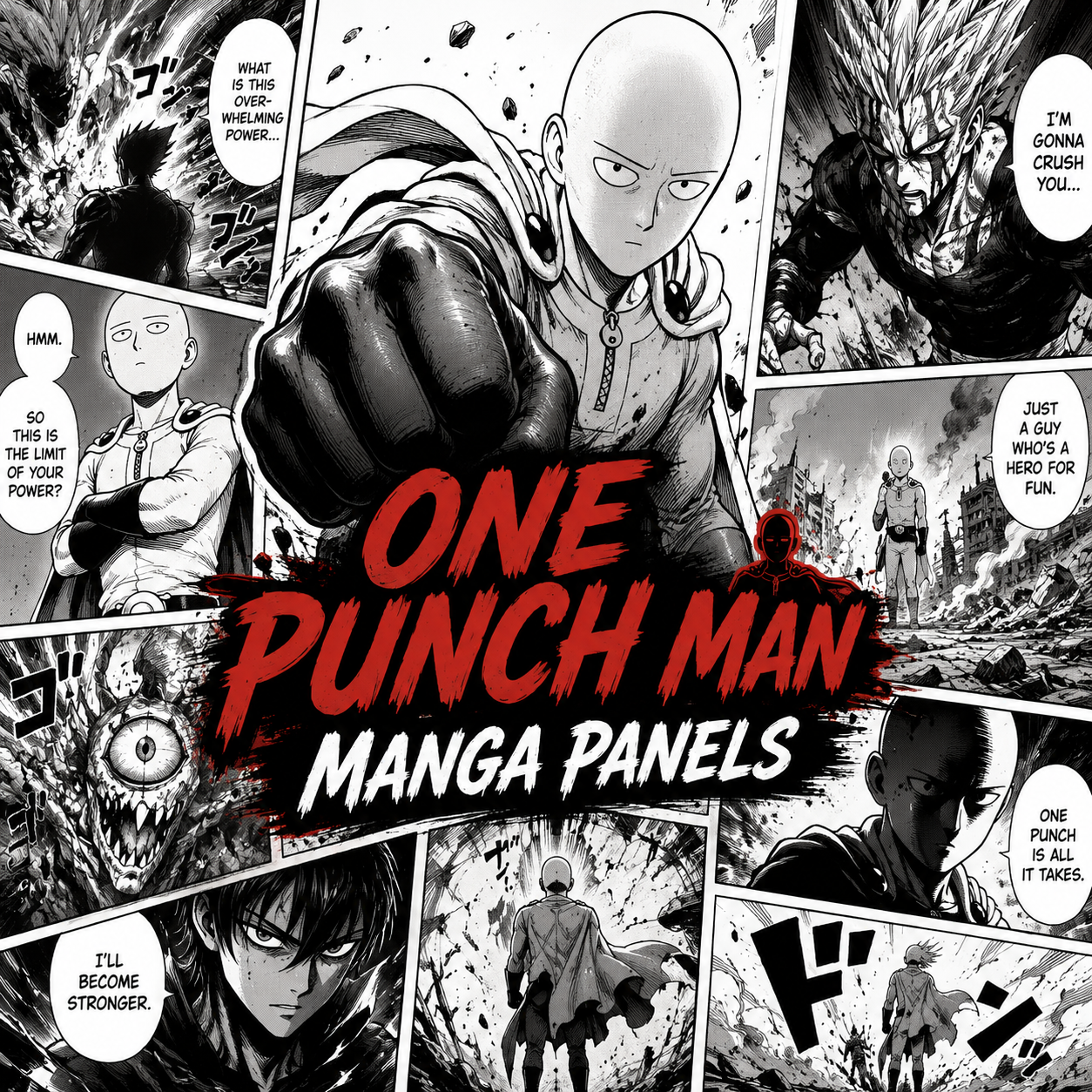
Early chapters had solid art, but recent ones feel next level. Buildings crumble with more realistic physics. Character movement looks more fluid and less stiff. Fans often revisit old chapters just to see how far the series has come. It’s a fun way to appreciate the growth without needing to read everything again.
What This Growth Means for Future Chapters
If the trend continues, future fights could push the art even further. Readers expect bigger scale, sharper detail, and more creative panel layouts. That expectation keeps the hype alive between releases. It also puts pressure on the creators to keep raising the bar. So far, they’ve managed to meet that challenge every time.
Tips for Reading Manga Panels Like a Pro
Reading manga isn’t just about following the story. Paying attention to panel choices adds a whole new layer of appreciation. Here are a few simple tips anyone can use.
First, notice panel size before reading the text. A bigger panel usually means a bigger moment.
Second, pay attention to background details, since they often hint at the scale of destruction or the mood of a scene.
Third, watch character expressions closely, especially in quiet panels. A lot of emotion gets shown without a single word of dialogue. Fourth, read panels in order from top to bottom, right to left, since that’s the traditional Japanese manga format.
Finally, don’t rush. Some of the best one punch man manga panels reward readers who slow down and actually look at the artwork instead of just skimming for dialogue.
Final Thoughts on This Iconic Art Style
Great manga art does more than decorate a story. It shapes how readers feel, what they remember, and what they share with friends. This series proves that point again and again through its detailed, expressive, and often hilarious artwork.
Whether it’s a massive explosion or Saitama’s flat stare, every panel has a purpose. That’s exactly why fans keep going back to study, share, and celebrate this artwork years after certain chapters first came out. Next time you flip through a chapter, slow down and really look. You might notice details you missed the first time around.
FAQs
Who draws the manga version of One Punch Man?
The manga, which is based on ONE’s original webcomic story, is drawn and redrawn by Yusuke Murata. One of the reasons for the world fame the series attained has been the level of detail in his art style. He uses realistic texture and dramatic panel layouts throughout the series.
Why do fans compare the webcomic to the manga?
Murata is doing a redraw; the original webcomic art style is simpler than it is here. Fans love getting a glimpse of how many refinements and tweaks were done during redraw. It was an interesting means for new readers to see how the artist has grown.
What makes Saitama’s expressions so popular online?
His lackluster, monotone reactions to intense battles provide a funny juxtaposition that fans love. That stark contrast inspired the thousands of memes we saw spread through social media. His expressions are used for reacting to everything from anime content to any number of commonplace situations.
Are large panel spreads common in this manga?
Yes, big panel spreads show up often during major fight scenes or dramatic reveals. They help slow the pacing down so readers can absorb a huge moment. This technique is especially common during Saitama’s biggest punches or monster reveals.
Why do fans share these panels so much on social media?
The artwork is detailed enough to stand alone without needing extra context or dialogue. A single panel can capture humor, tension, or raw power in one image. That makes it easy for fans to repost, meme, or use as profile pictures.
What do you feel about this post?

Like

Love

Happy

Haha

Sad